


Whether you want to give your investments some love or get money-saving tips so you have more cash for later, this list will help you spring into action.
1. Check on retirement contributions

Retirement might seem a long way off for some. But who doesn't want to feel more confident about their future? Consider logging into your retirement accounts, like a 401(k), 403(b), or individual retirement accounts (IRAs), to understand your progress. Are you putting 15% of your income toward retirement savings, including any employer match? If you’re not following this Fidelity guideline yet, try to inch up your contributions by 1% whenever you get a raise, bonus, or other windfall, like a tax refund. Your employer might even offer an automatic increase program to do this for you every year. If you can, consider contributing at least enough to your 401(k) to get any match your company may offer, so you don’t leave any money on the table.
Looking to max out your accounts? In 2026, individual contribution limits went up to $24,500 for 401(k)s. If you're age 50 to 59 or 64 or older, you're eligible for an additional $8,000 in catch-up contributions, while those between ages 60 and 63 may be able to contribute up to $11,250, if your plan allows. If you also have an IRA, you can contribute up to $7,500 in 2026, and up to $8,600 if you're 50 and older.
2. Spring-clean your inbox
You know how some retailers will send you a coupon if you sign up to get regular emails from them? Those messages—about outdoor furniture you don’t have space for ... but, 50% off!—could make you buy things you don’t need. That’s why it pays to sift through your inbox and unsubscribe. The more you reduce your exposure to sales and coupons, the less likely you are to spend, and the more money you’ll have for big-picture goals. Post-purge, remember to unsubscribe from any new emails you agree to receive after that first discount arrives.
3. Review your expenses
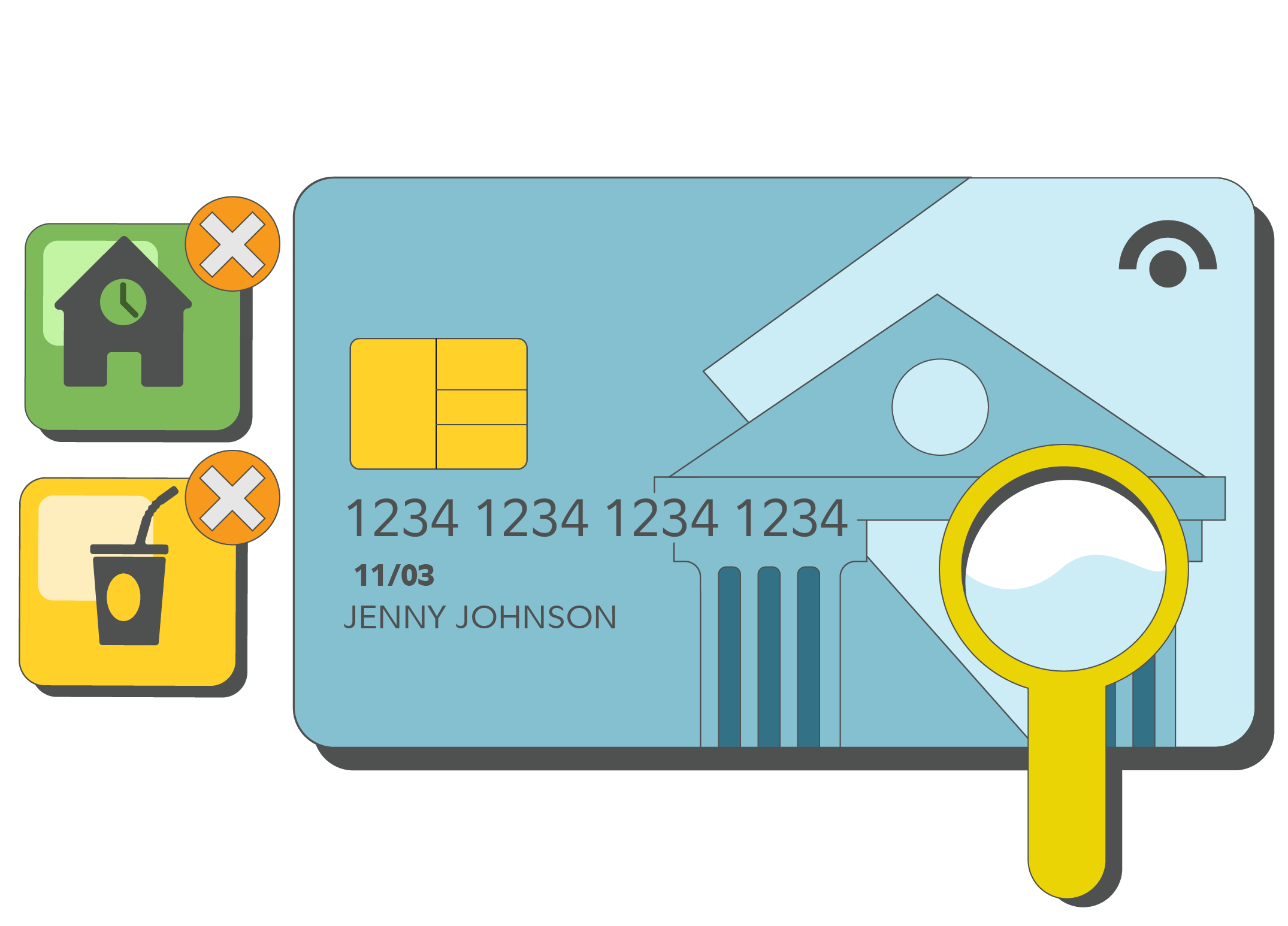
Trying to save up some extra cash for the summer? Take a magnifying glass to your spending. All those monthly fees for apps, subscriptions, and streaming services add up. First, grab a recent credit card statement and highlight recurring charges. Some banks flag these for you. (Psst ... Fidelity’s budgeting experience can help with this too.) Note which services you’re still using and cancel the rest. Tally up the money you saved, and then create an automatic monthly transfer for that amount to a savings account. Want to boost your budgeting knowledge? Try these 7 steps.
4. Set a shopping stopwatch
Spring sales have you "adding to cart" too much? Try setting a time limit on shopping or social media apps. Go to your smartphone’s screen time or digital wellbeing settings, select an app, and set a daily cap. Try these other hacks to spend more mindfully so you have money for saving and investing.
5. Consider contributing more
If you haven’t already maxed out contributions to your traditional IRA or health savings account (HSA), you have until the tax-filing deadline of April 15 to make a contribution that counts toward your 2025 tax return. That could reduce your taxable income and possibly your tax bill.
6. Save on a spring break
Want the feel of a luxe hotel without the big price tag? Stay somewhere less expensive and buy a day pass to a hotel with great amenities like a pool, cabana, or spa. Some day passes, depending on where you're vacationing, start at just $25 with many in the under-$65 range.1 This might also be a good option for staycationers who’d rather put money saved on traveling toward investments for their future. Get 10 cheap vacation ideas that still feel fancy.
7. Prep your taxes

Here are some tips for Tax Day:
- It might be easier to do your taxes thanks to new tools and capabilities, like the option to complete tax forms on your phone. IRS Free File, a free tax-filing service, is now available in all 50 states and Washington, DC, to those with simple tax returns whose 2025 adjusted gross income was $84,000 or less.
- Refer friends. A thankful tax preparer might give you cash back or a lower prep fee for new clients you send their way. Just ask them.
- Find discounts online. Many tax-prep companies run promotions during tax season. In fact, Fidelity customers can get 25% or more off TurboTax®.
... and decide what to do with your tax refund. Consider turning that fast cash into lasting savings. A few ideas:
- Save it for emergencies.
- Pay off high-interest debt.
- Save more for retirement.
- Splurge responsibly.
Learn more about putting your tax refund to work.
8. Check your tax withholding

Did you owe a lot when you filed your last tax return? Or get a big refund from it? Consider revisiting your tax withholding—aka the amount of federal tax your employer holds from your paycheck. You might need to update that number. Try the IRS's Tax Withholding Estimator to get a pre-filled, downloadable form you can submit to your employer. This could help you accelerate any tax savings that you would normally receive at tax time. You should also check your tax withholding if you get married, buy a house, change jobs, or welcome a child.
9. Start a brag folder
Planning to ask for a raise later this year? Be prepared to show receipts. Create a folder in your email inbox, and drag in messages about finished projects, kudos notes from colleagues and your manager, and any hard numbers that show your impact. Even if your performance review isn’t for 6 months, keep track of how you’re killing it now to help make your case for more cash later. Whether or not that raise works out, here are 10 ways to make more money.
10. Change jobs smoothly
While the US Bureau of Labor Statistics recorded job hires near their 5-year lows in its November 2025 report, more than 5 million people landed new jobs.2 Whether a fresh start was your idea, or leaving your employer wasn’t your choice, here’s what to think about during a job transition.
- Ask your HR rep which benefits you’re entitled to after your last day. Some employers may offer job placement services or resume help too for employees who lost their jobs. If that’s you, you might want to brush up on the basics of severance pay.
- Document your key accomplishments and get letters of recommendation from your boss or coworkers. If you leave without another job lined up, don't be afraid to tell people you're looking for work.
- Consider leveraging friends, family, and your education and career networks to help you get the word out and find potential opportunities.
Not sure where things stand with your employer? Here are 15 ways to weather job uncertainty.
11. Track down an old 401(k)
Changing jobs is a major reason American workers have lost track of nearly 32 million 401(k) accounts with assets totaling more than $2 trillion.3 If your old 401(k) was with Fidelity, your balance was under $7,000, and your new employer’s retirement plan administrator is in the Portability Services Network, your account may have been automatically transferred to them. You can also use a new government tool to search for old accounts.
Found an account? You could roll it over into an IRA, roll it over into your current workplace plan if you’re allowed, keep it where it is if your former employer allows it, or cash out—though that could lead to taxes and possible penalties. Here are the pros and cons to those 4 options.
Learn more ways to uncover money you didn’t realize you had.
12. Cut your car insurance

Auto insurance premiums may have plateaued in 2025, rising just 0.6% after jumps of 9% in 2024 and 17% in 2023.4 Still, you might be able to trim your bill—by up to 30%—and recoup some of what you've been paying out if you sign up for a safe driver program through your insurer.5 Typically, this requires monitoring your driving habits through your smartphone or an in-car device. Also, check if your provider or state offers a defensive driving class. Spending a few hours brushing up on road rules could net you a discount.
13. Boost your credit
Even if you don’t have much credit history, you could help lift your credit score by reporting on-time rent payments to the 3 major credit bureaus: Equifax®, Experian®, and TransUnion®. Check if your landlord uses a rent payment company that already reports to one or more of the agencies. If they don’t, consider working with a third-party service (possibly for a fee) to send a record of your payments.
Psst ... if you’re moving or renewing soon, try these 5 ways to negotiate cheaper rent.
14. Talk money with Mom
Flowers and brunch might be your mom’s idea of a happy Mother’s Day, but making sure she has a plan for her future could have a longer-term payoff. Ask about what she’s hoping for during retirement and how she’s expecting to get there. If help from you is part of her picture, it’s good to know, so you can share what’s realistic and adjust your own financial plan if you need. Learn 7 tips for a successful family money meeting.
15. Cool it
When temperatures rise, stay chill with these tips:
- Block the rays. Most of the sunlight that hits your windows heats up your home. Installing insulated cellular shades and window blinds can help.
- Pick a higher temp. Every degree of extra cooling ups your energy usage by 6% to 8%.6 Save by setting your thermostat to the hottest temp that’s still comfy.
- While using a ceiling fan doesn't drop room temperature, it can make the air feel about 4 degrees cooler, allowing you to raise the thermostat and lower air conditioning costs.7
- Upgrade your central air unit. It’s a big investment, but the most efficient new AC units use 30% to 50% less energy than those from the 1970s.8 Replacing a 10-year-old unit could cut your cooling costs by 20% to 40%.9
Here are 7 more ways to chill your utility bill.