

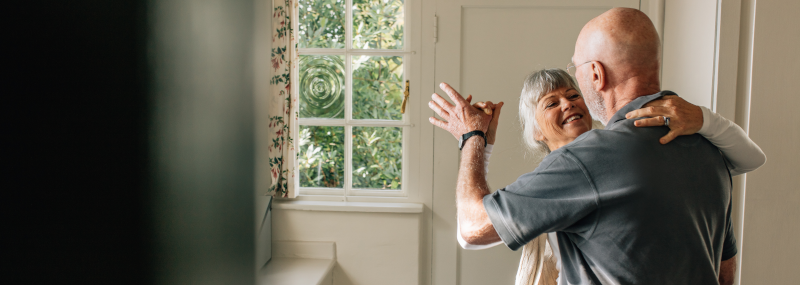
Retirement can be a lifestyle change. As you get older, it’s natural to start wondering how to have a happy retirement. You may ask yourself questions about when and where to retire, whether your relationships with others will change, and what happiness looks like without a day-to-day job and routine. You may be able to embark on new activities and adventures or spend more time on hobbies you already love. Exploring some ideas before retirement can help you transition with a purpose. Here are tips that could help you make the most of your well-deserved retirement.
Planning: Decide when and where to retire
It's okay to start thinking about it early. It can also be helpful to estimate the age you plan to retire and then work toward it. Your timeframe may affect your investments and financial planning, and having a goal can help you stay focused on planning for a happy retirement.
To add, when planning a move, retirees these days have their pick of domestic and international destinations. Whether you’re thinking about moving down the street or to another hemisphere, moving can be a major production, and it can take time to plan your moves.
Agreeing or compromising with your spouse on a vision for retirement
It may take patience, communication, and compromise to land on a life plan that suits you and your partner. If you’re lucky, you and your partner are in complete harmony about your retirement plans, but it doesn’t always work out that way. Many couples disagree about the age when they plan to retire and how much savings they’ll need. Unfortunately, there’s no easy way to make sure you both agree on how you want to spend your time—and where to spend it. Many people look forward to moving in retirement, for instance, but what can you do if one person wants to move to a cold climate to be near family while the other wants to avoid cold weather at all costs? It could be urban versus rural, domestic versus international, or any number of options.
Opening the lines of communication and beginning to negotiate a compromise where both of you feel like a winner is a great place to start. It may even be worthwhile to visit a therapist or counselor to learn new ways to interact and live together. You both worked hard to get to retirement, now it’s time to find a way for both of you to enjoy it.
Life in retirement: friendships and relationships
The freedom of retirement can be scary, boring, or exciting, maybe all at the same time. To help with the adjustment, you could take on new responsibilities, rediscover family relationships, or make new friends.
Establish new roles within your relationship. With more free time, there’s more time for chores or projects. Housework doesn’t always have to fall along such starkly gendered lines. However it shakes out in your house, with more time to pitch in and spend with a spouse or partner, retirement is a good time to revisit roles and responsibilities. Before retirement you may not have spent much time with your spouse or partner during the typical 9–5 workday. Now that you both may be spending a lot more time together, it’s important to get on the same page about schedules and routines. For many people, it takes some negotiating to figure out how to live together again under new circumstances, even if you’re in the same shared space as you were before retirement.
Reconnect with friends and family. Work takes up a lot of time and attention. Without a full-time career demanding your energy, retirement can be a time to reconnect with family and strengthen your connections. Whether it’s connecting virtually through social media and video chat or taking trips to see people you haven’t seen regularly, retirement can be a time to revitalize those relationships.