


What is DeFi?
DeFi stands for decentralized finance, which means everything from simple transfers to complex financial functions are facilitated without any third-party involvement. To help you understand DeFi, let’s first cover traditional, centralized finance.
Centralized finance vs. Decentralized finance
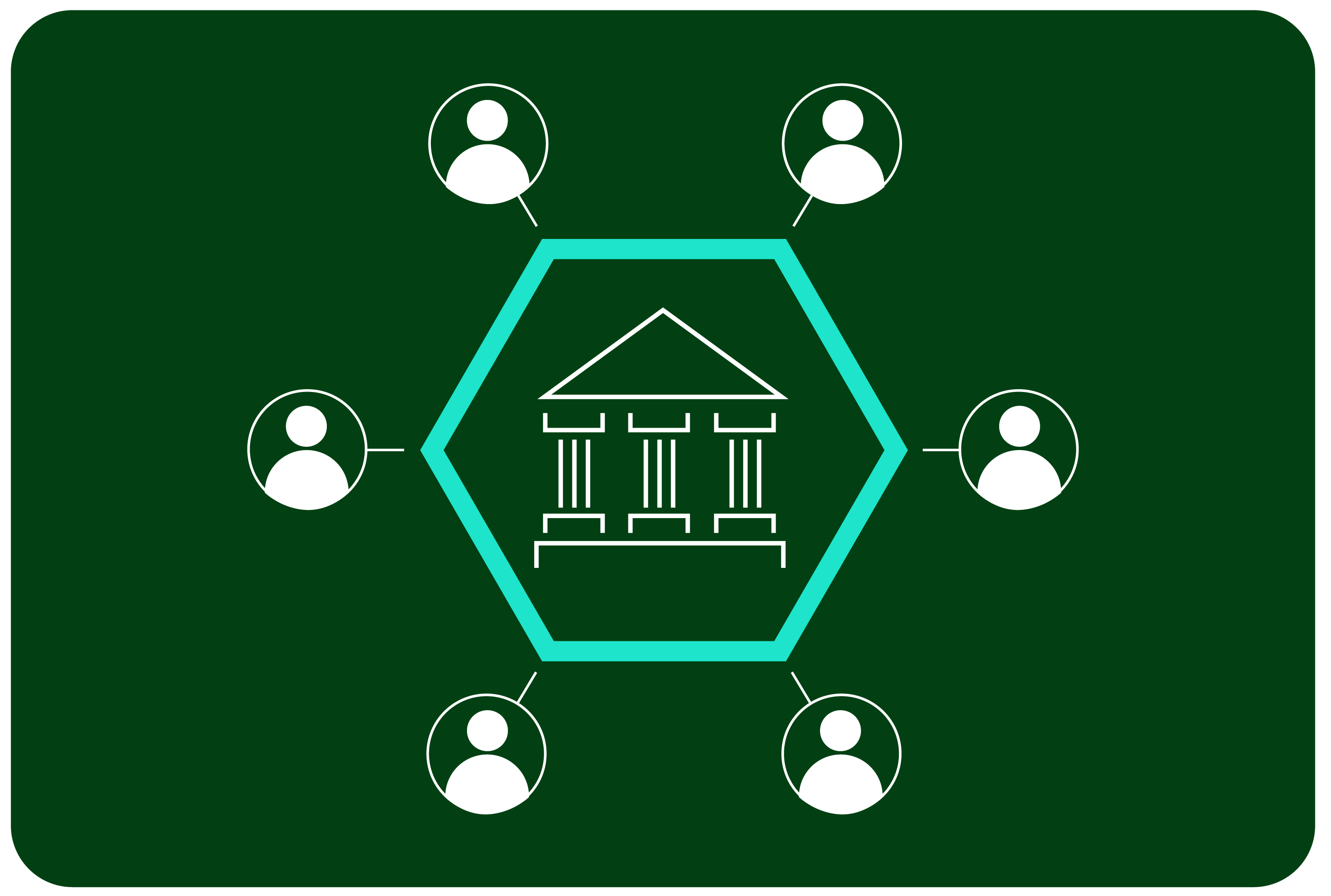
Centralization means a central authority, like a bank, has complete control of all decisions and actions.

Decentralization means that control is distributed among a network’s users, like Bitcoin.

Did you know?
How does DeFi work?
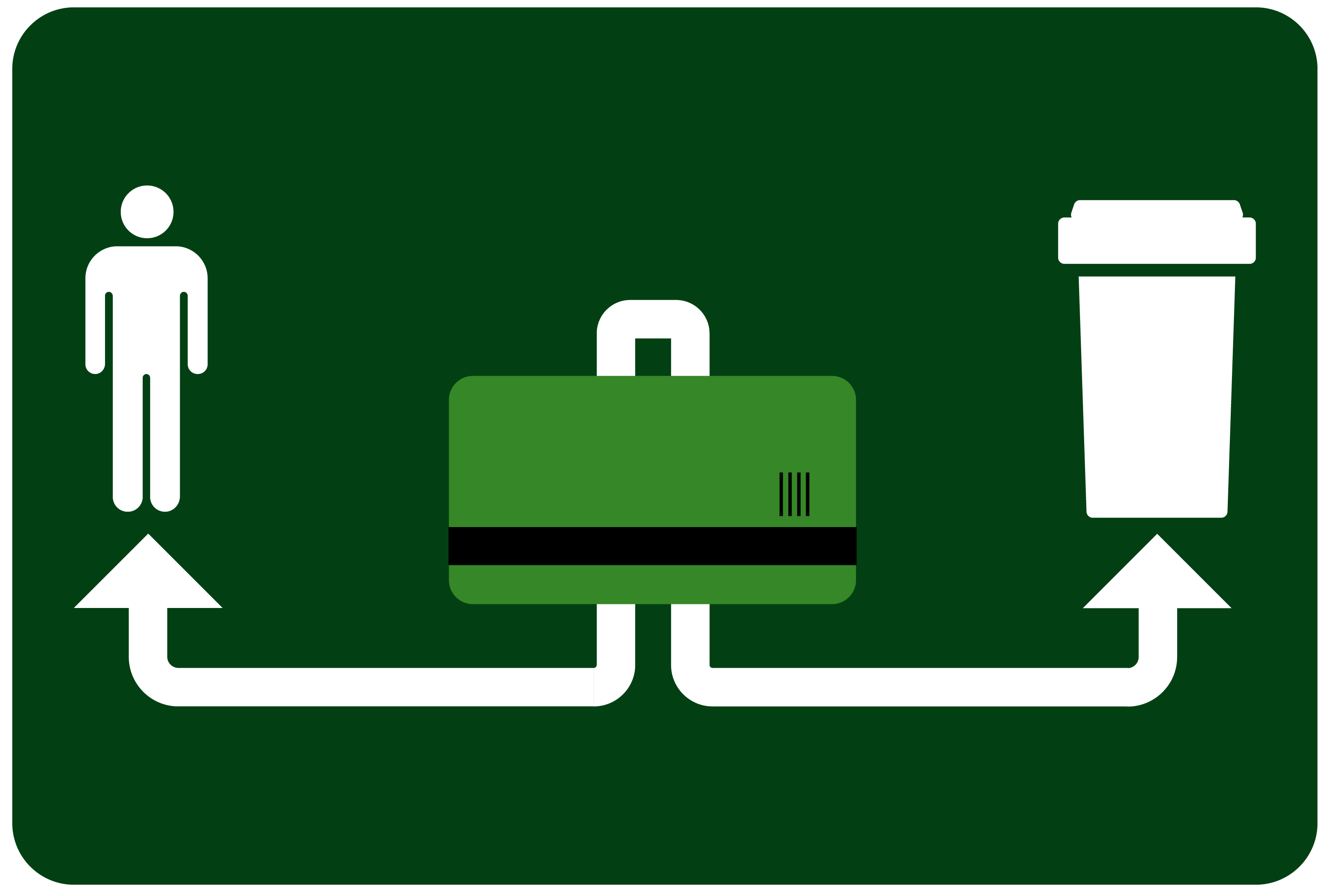
Picture this—you use a payment service to send money somewhere, like to a friend, or use a credit card to buy a coffee. That payment service becomes the middleman.
DeFi cuts out the middleman entirely and operates under the idea of open, direct finance.
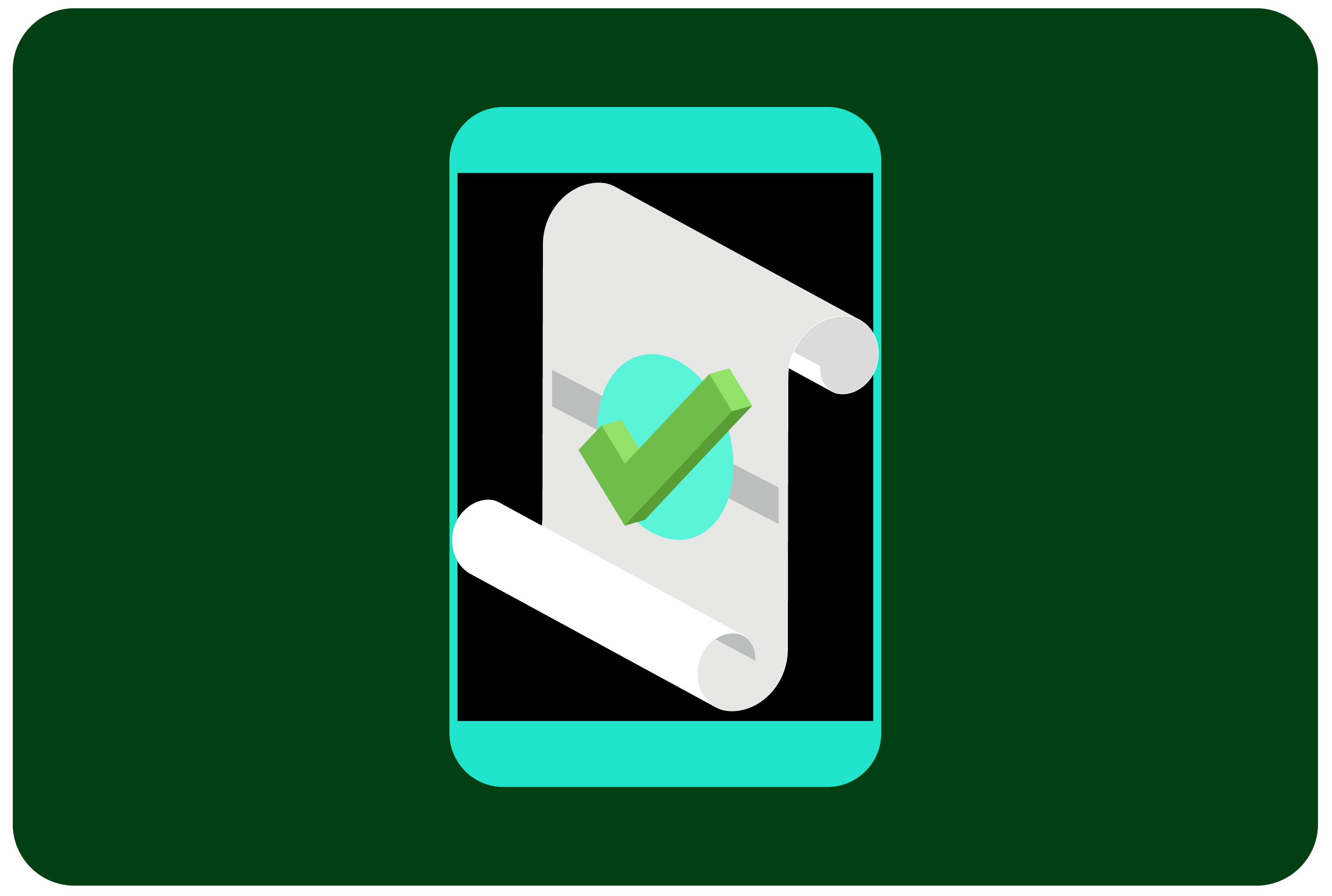
Users tend to engage with DeFi on cryptocurrency networks like Ethereum on decentralized applications—aka dApps. Essentially, dApps are similar to the normal apps we use every day, but they’re powered behind the scenes by smart contracts—digital agreements that execute automatically when the contract terms are met.
Some popular ways people are using DeFi include lending crypto, receiving a loan, trading and/or exchanging, and saving.
Potential benefits of DeFi

Accessible
Data is shared publicly, and all users need is an internet connection and a wallet to get started.
Private
You don't have to provide any personal information. All DeFi transactions happen under your wallet’s private key (like a randomized username).
Fast
Depending on your wallet, most assets can be moved anywhere, anytime, and transactions can be completed within minutes.
Potential risks of DeFi

Trust
There have been instances of scams that may make people skeptical and nervous to start or continue using DeFi.
Fluctuating rates
Interest rates and transaction fees change frequently and could potentially get expensive.
Volatile
DeFi is still considered new technology and experiences high volatility. Watch this video to learn why.
The bottom line
DeFi is a collective term for anonymous financial services available 24/7 without a middleman. That means no paperwork, no owners, and no downtime.
However, DeFi is still new and is vulnerable to technical bugs, high price swings, and skepticism. Also, regulations vary region to region, so make sure you know your responsibilities.