


A crypto wallet is a device or program needed to access your crypto. There are different types of crypto wallets, such as online accounts or physical paper wallets with different levels of security and accessibility.
How do crypto wallets work?
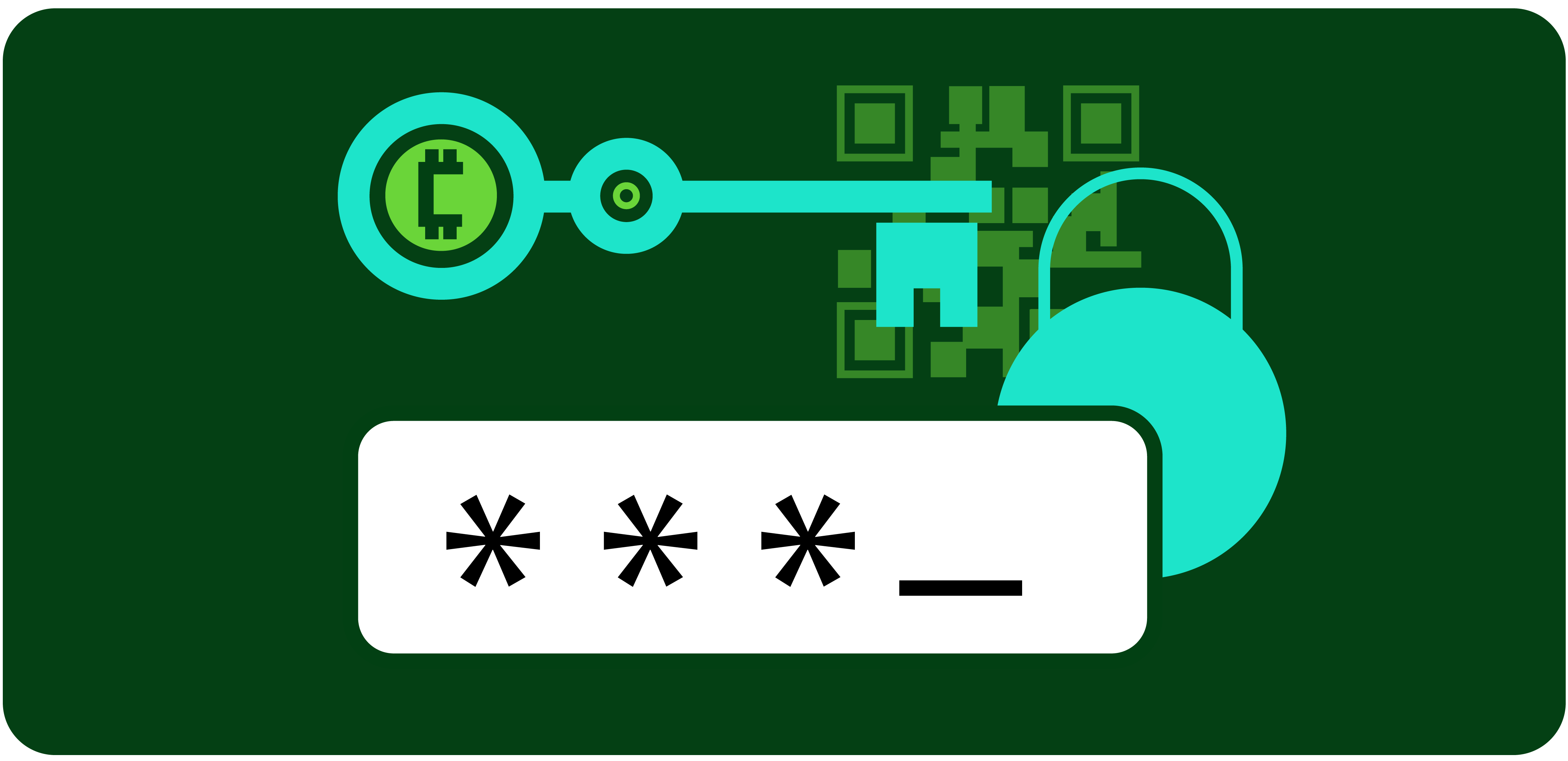
Unlike traditional wallets, crypto wallets don’t technically store your crypto—they store your private key. A private key is like a randomized password that gives you access to your crypto. They are automatically generated when you purchase crypto, as are wallet addresses, which are like usernames.
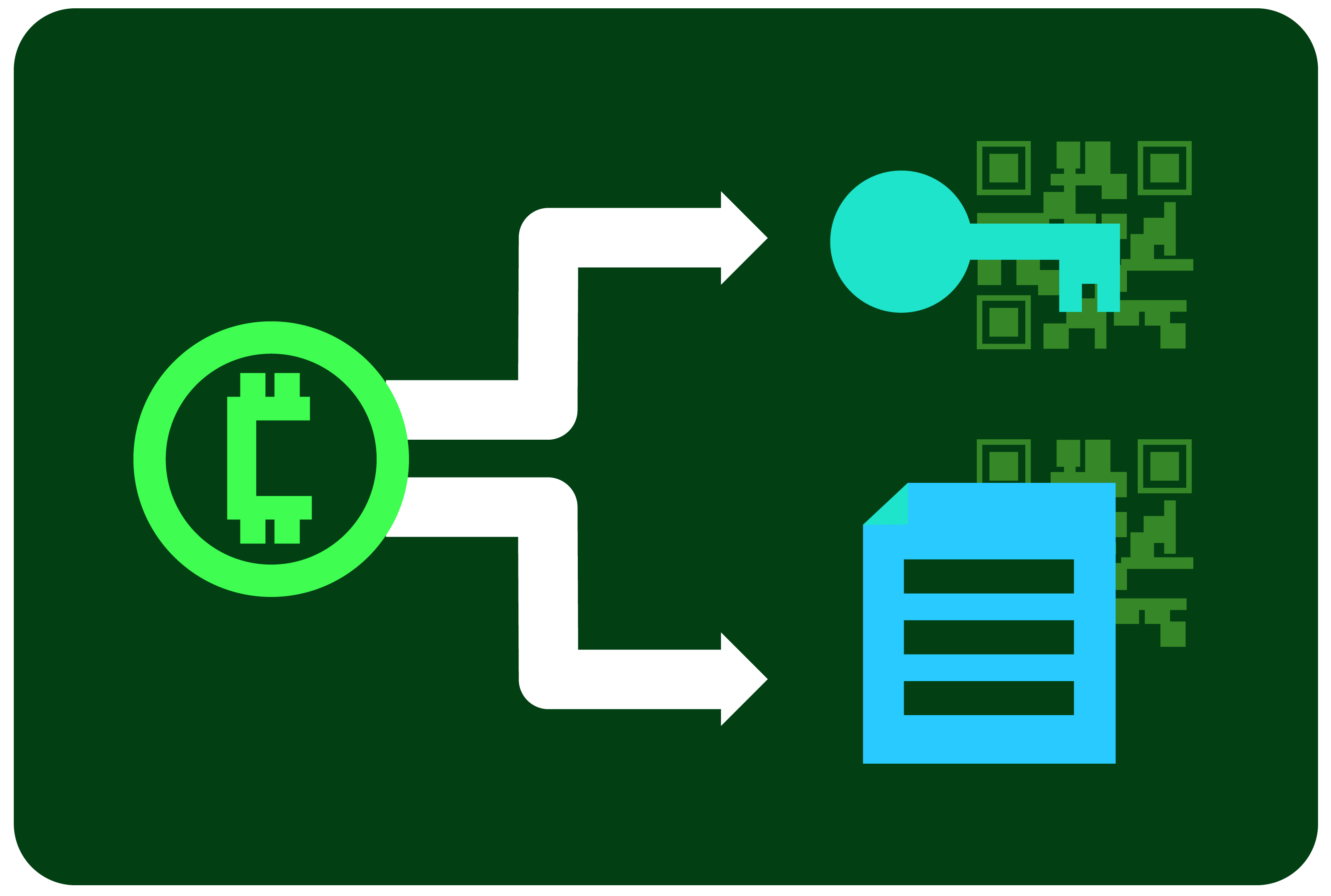
Your key proves ownership of your crypto and grants you access to send, receive, and spend your coins. Without your private key, you may lose access to your crypto. Forever.

Did you know?
Types of crypto wallets
Crypto wallets are divided into two distinct categories—hot wallets and cold wallets.
Hot wallets
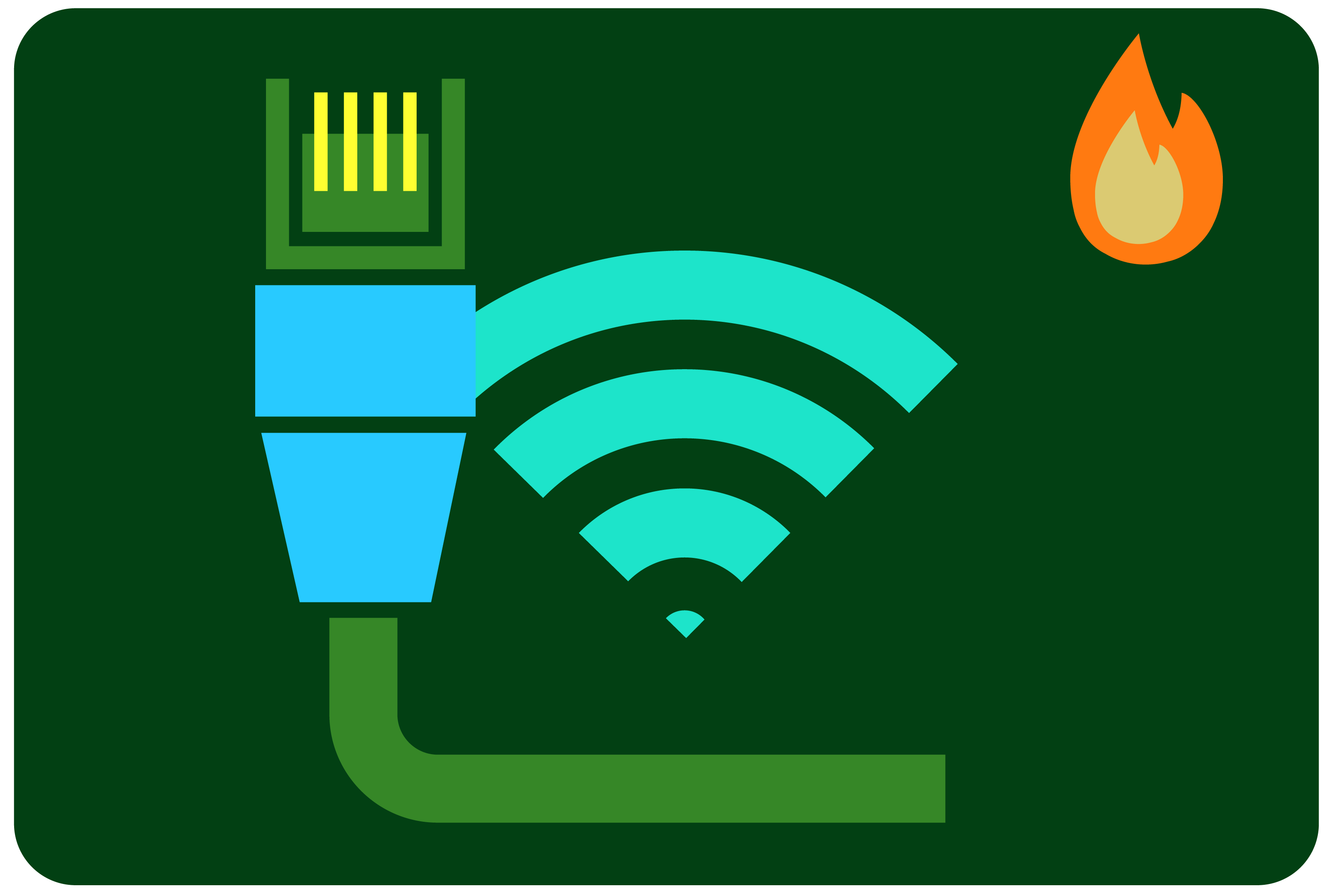
Hot wallet simply means anything connected to the internet, like a desktop, mobile, or web wallet. These are generally easy to use and conveniently accessible since all crypto transactions happen online, but they can also be more vulnerable to hackers.
Cold wallets
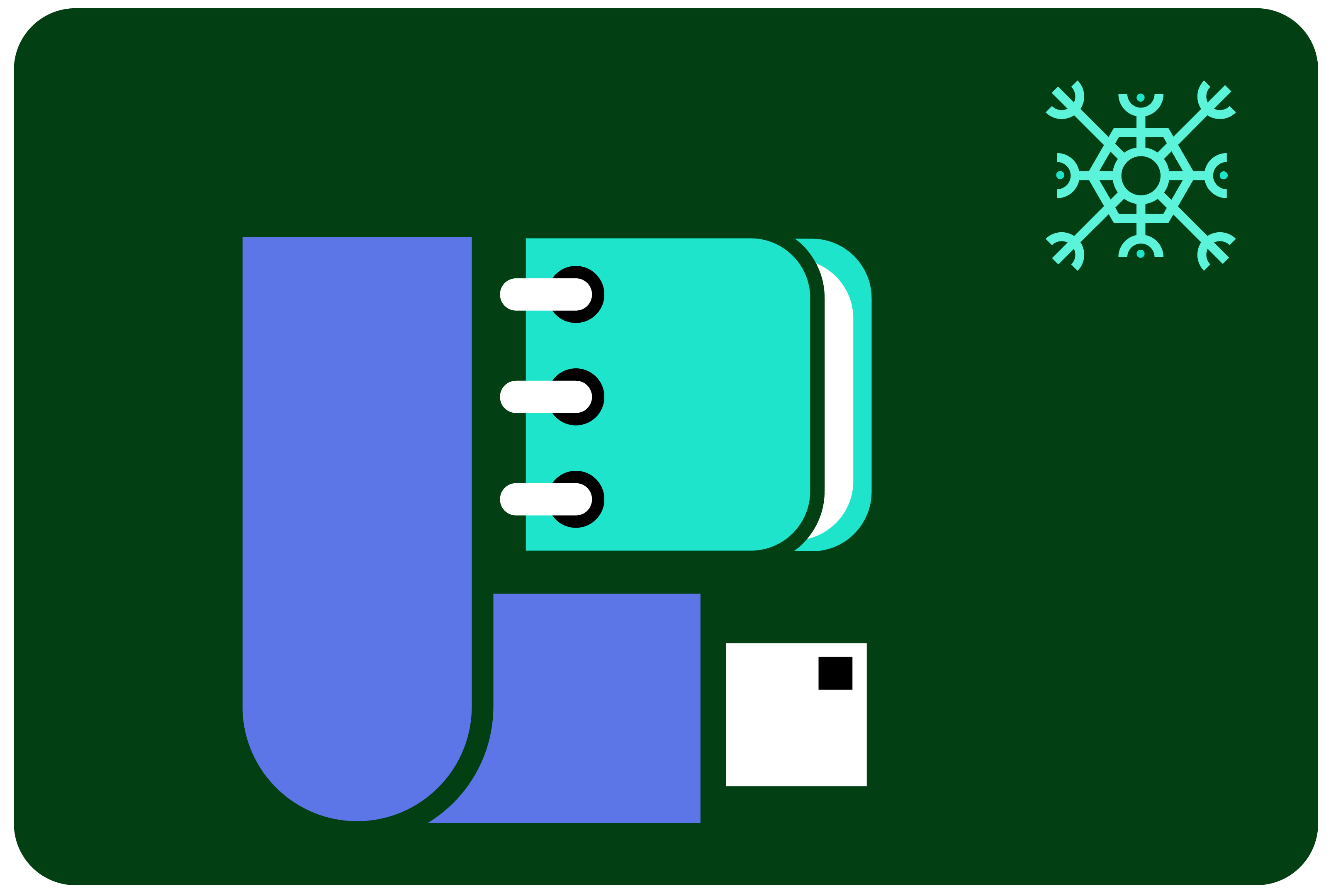
Cold wallets are offline devices, such as a piece of paper or a USB drive. Since the only way to interact with crypto is through the internet, these are considered more secure—but can also be inconvenient, as well as lost, stolen, or damaged.
Custodianship
Non-custodial vs. Custodial wallets
You can choose to manage your own custody (aka self-custody) using either a hot or cold wallet described above, or you can use a third party. For more detailed information on custodianship, watch this crypto custody video.
Non-custodial wallets
Those who prefer complete control over their private key and immediate access to their coins can provide their own custody. This is more commonly used by advanced crypto users as it can be challenging to learn and maintain.
Third-party custodial wallets

When using a third-party custodian, like Fidelity Digital Assets®, they store your private key for you and manage security. These are more common with users who prefer convenience.
Did you know?
The bottom line
Purchasing crypto is a big decision. Before deciding which wallet and custodianship type is right for you, ask yourself these 3 questions:
- Am I more concerned with having complete control of my coins or having convenient access to my coins?
- What is my crypto goal? Will I primarily buy and hold? Or will I make consistent trades?
- How much time do I have to dedicate to securing my private key? Or is there a customer service department available for support?
There is no right or wrong way to store crypto. There are risks and benefits to both hot and cold wallets, and both third-party and self-custodianship. Research your options thoroughly and make the best decision for you and your financial goals.