


Staring at your paycheck and wondering where all the money went? It didn't just disappear. But you probably want to know why you got paid less than you thought. That's where your paystub comes in.
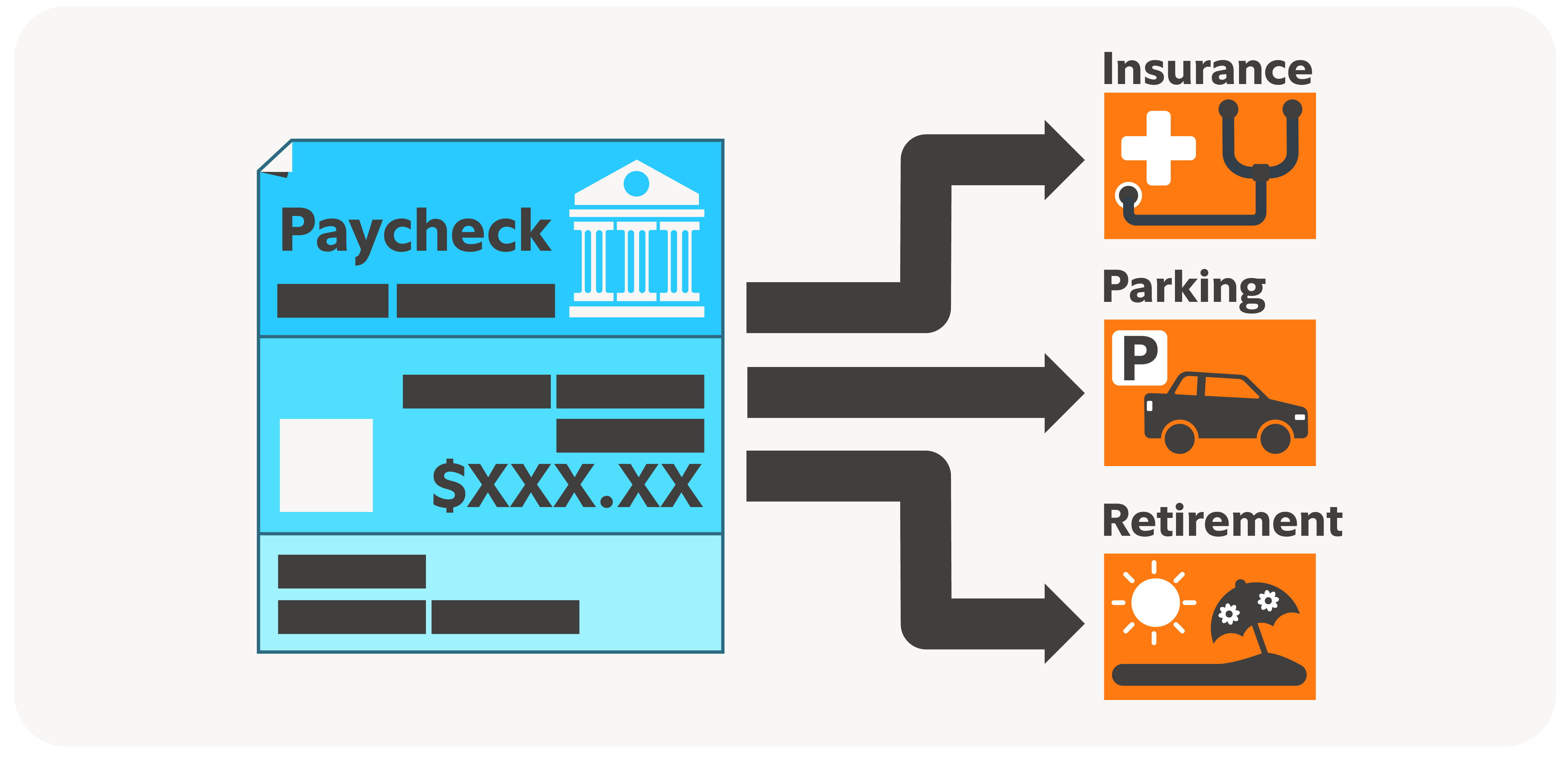
Whether you get a paper or a digital paycheck, you should get a paystub that explains what you earned—and how much was taken out. You might see "deductions" for taxes or benefits like health insurance, parking, and maybe even retirement. Here are some things to know:
Federal income taxes

This is money withheld (which is another way of saying deducted) from your check for the US government.
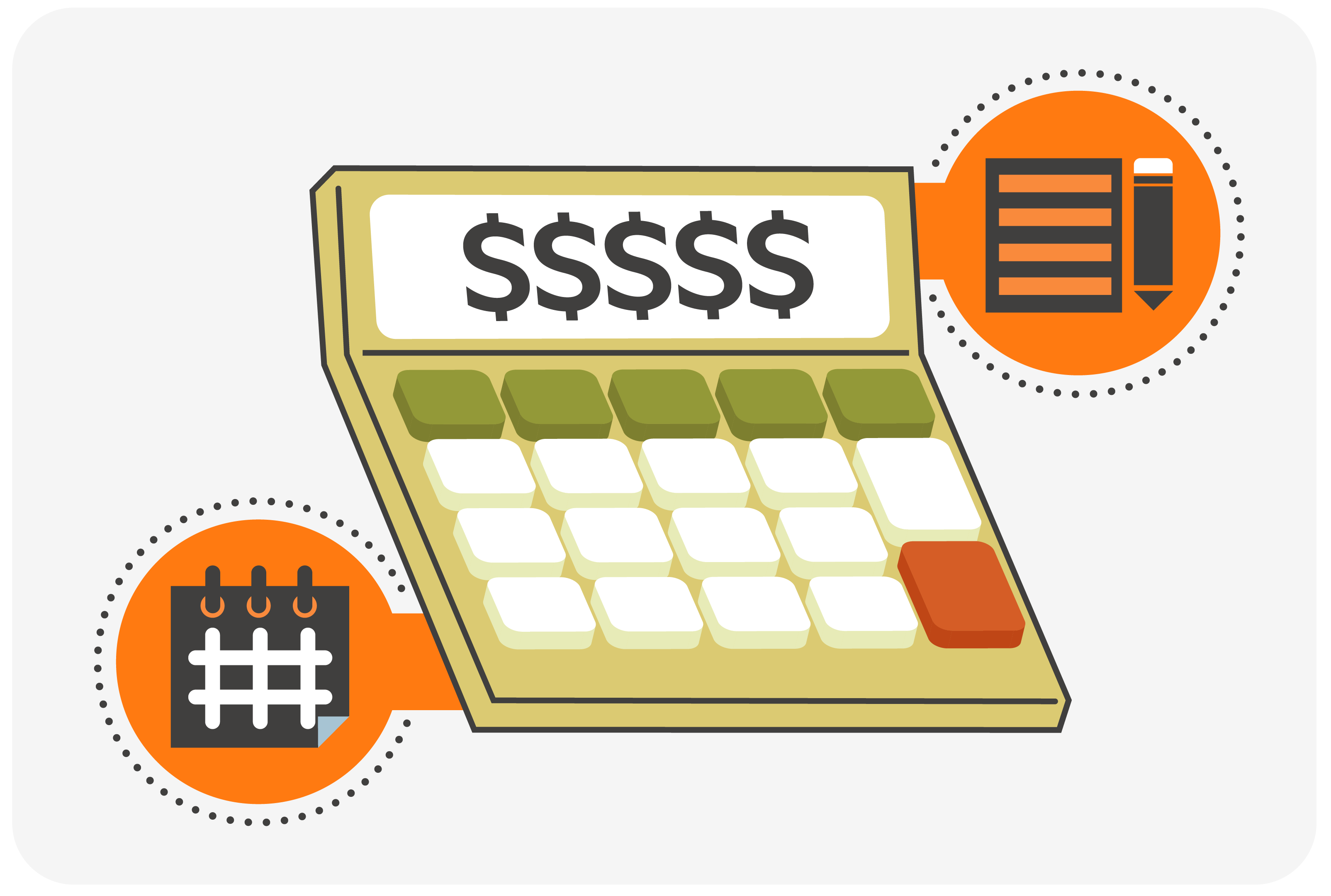
The amount is calculated based on a bunch of things, including how you filled out W-4 paperwork when you started your job and how much you earn.
State income taxes

Most—but not all—states collect income taxes too.

The amount is different for everyone and you may have to pay for the state where you live and/or the state where you work.
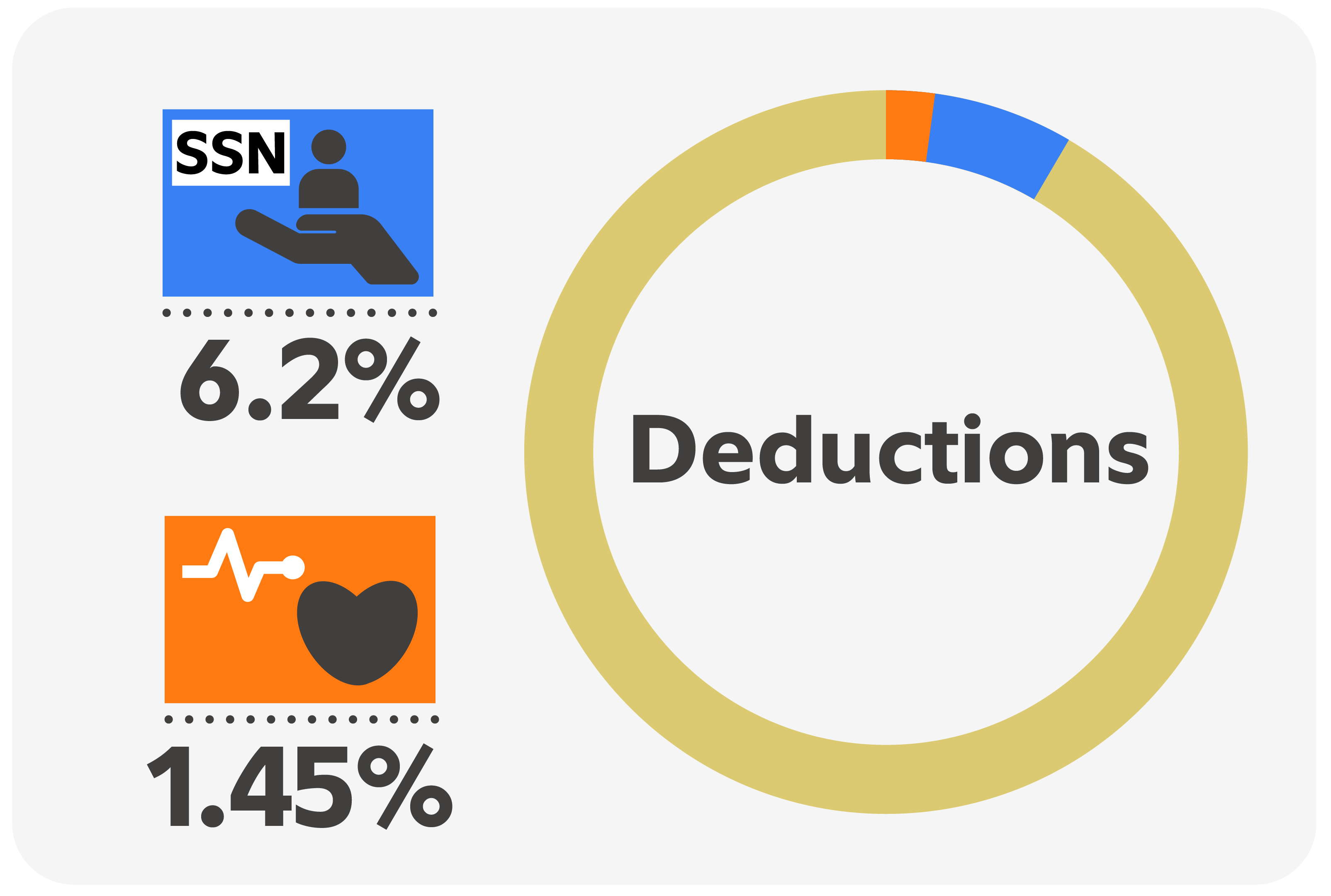
FICA

Short for Federal Insurance Contributions Act, FICA is the US federal payroll tax.
YTD and Pay period
_Icon_Watch.png "Minimal line icon of a wristwatch inside a circle, representing time or scheduling.")
- YTD is year to date—which means the beginning of the year until now.
- Pay period tells you the dates you're being paid for.
Gross and Net pay
_Icon_Bag of money.png "Line icon of a money bag with a dollar sign and crown inside a circle.")
- Your gross pay is what you earned BEFORE anything was deducted.
- Your net pay, also called your "take home pay," is what you get AFTER any deductions were taken out.