


How are stablecoins different from other cryptocurrencies like bitcoin and ethereum? And are they really "stable"?
Here are answers to 5 questions:
1. What is a stablecoin?
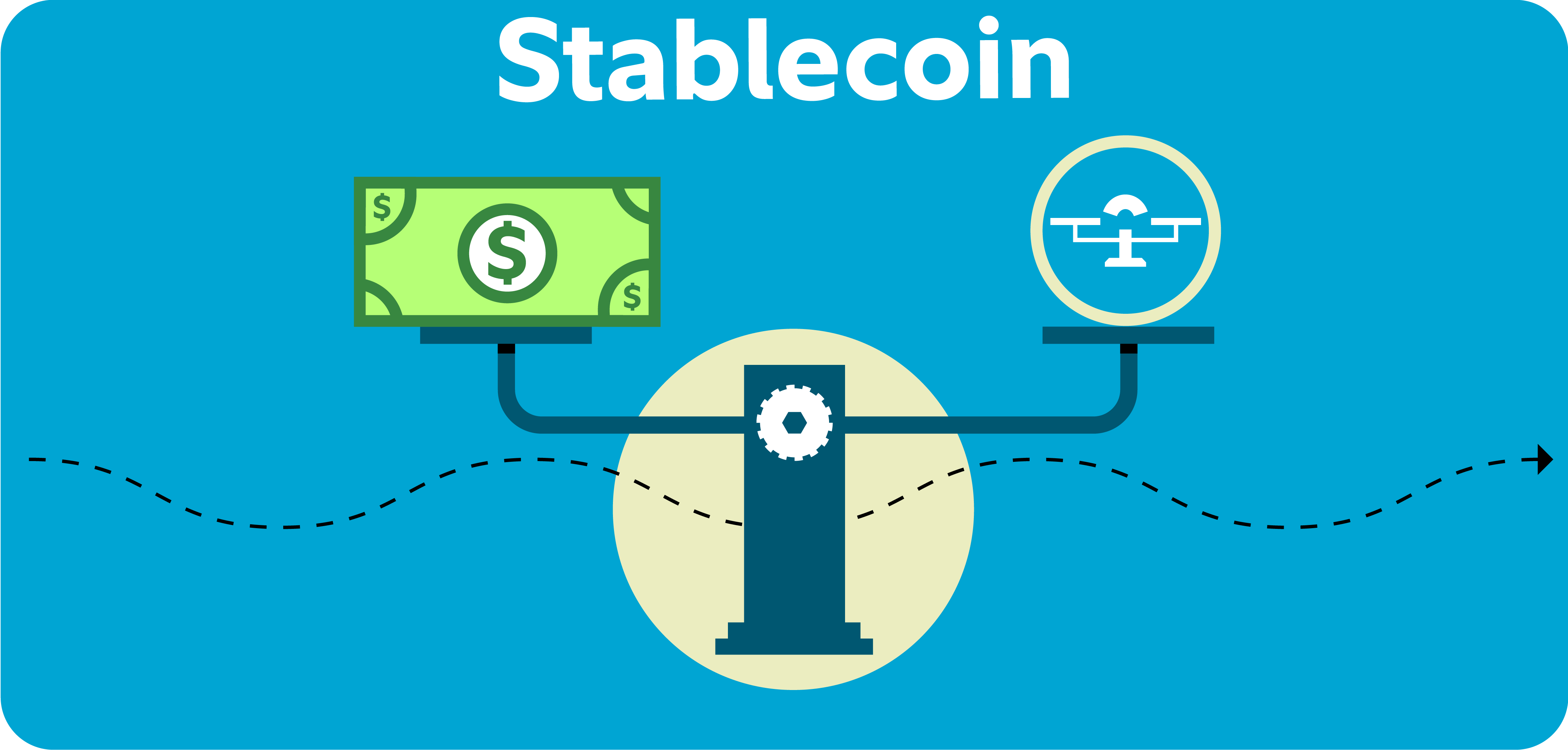
A stablecoin is a type of cryptocurrency that seeks to maintain a stable price. This stability is made possible due to their value being backed by other assets, most commonly by fiat currencies like the US dollar.

Cryptocurrencies as a whole are highly volatile and can experience dramatic price changes rapidly. This can make it risky to use them for transactions, since $1 worth of a cryptocurrency like bitcoin could be worth $0.50 or $4 by the time the transaction is complete.
Stablecoins aim to solve this uncertainty by combining the stability of cash with the benefits of blockchain technology.
2. How do stablecoins maintain the "stability of cash"?
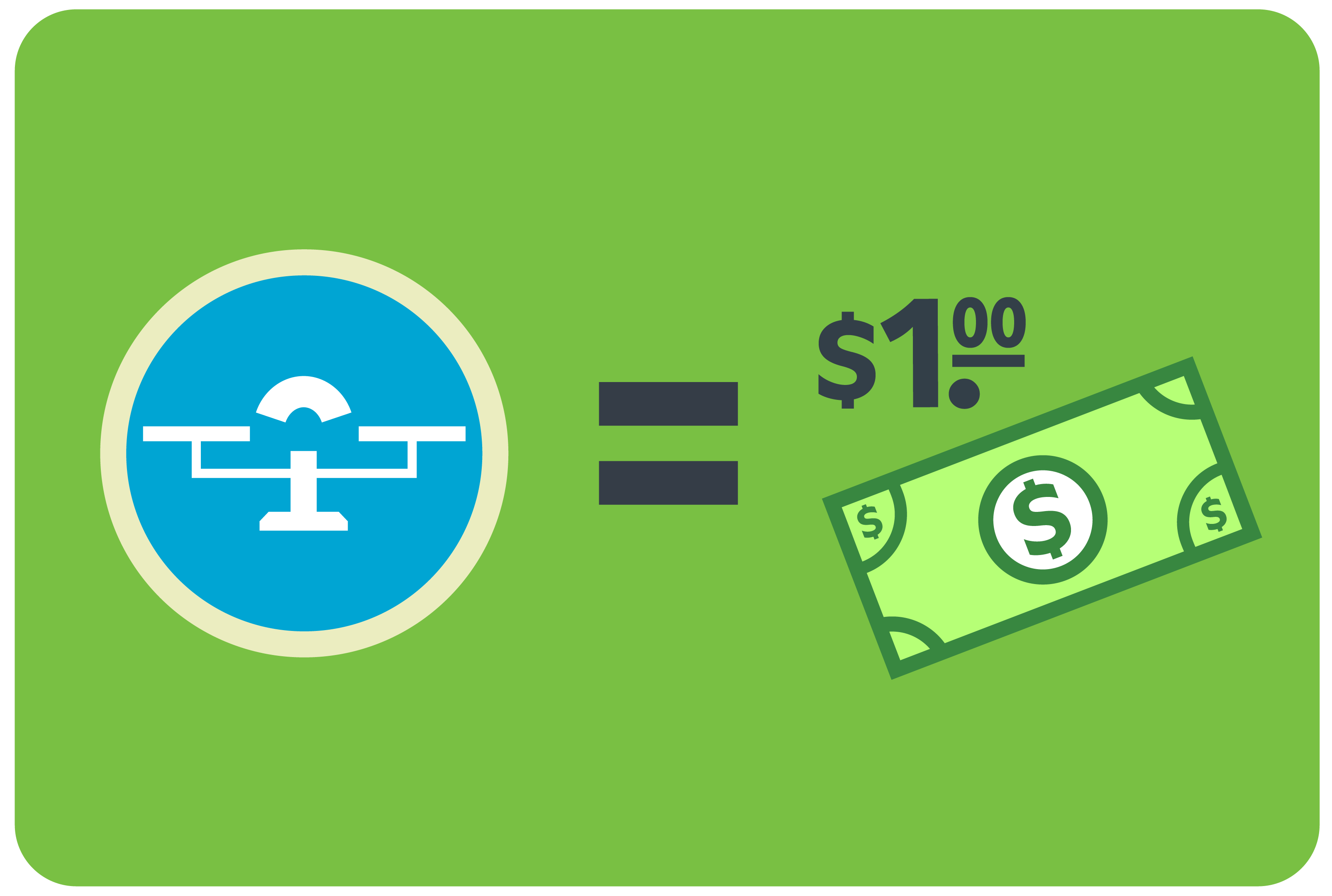
Stablecoins tie, or "peg," their value to another asset—most commonly a fiat currency like the US dollar, other commodities, or even cryptocurrencies. For example, one unit of a stablecoin that's pegged to the US dollar should always be worth $1. The asset they’re pegged to is held in reserves (we’ll talk more about that soon).
You can almost think about stablecoins as a digital representation of cash. This makes it easier for parties to transact confidently, without the worry of extreme price volatility (which you may face with other cryptocurrencies).
3. How do stablecoins work?
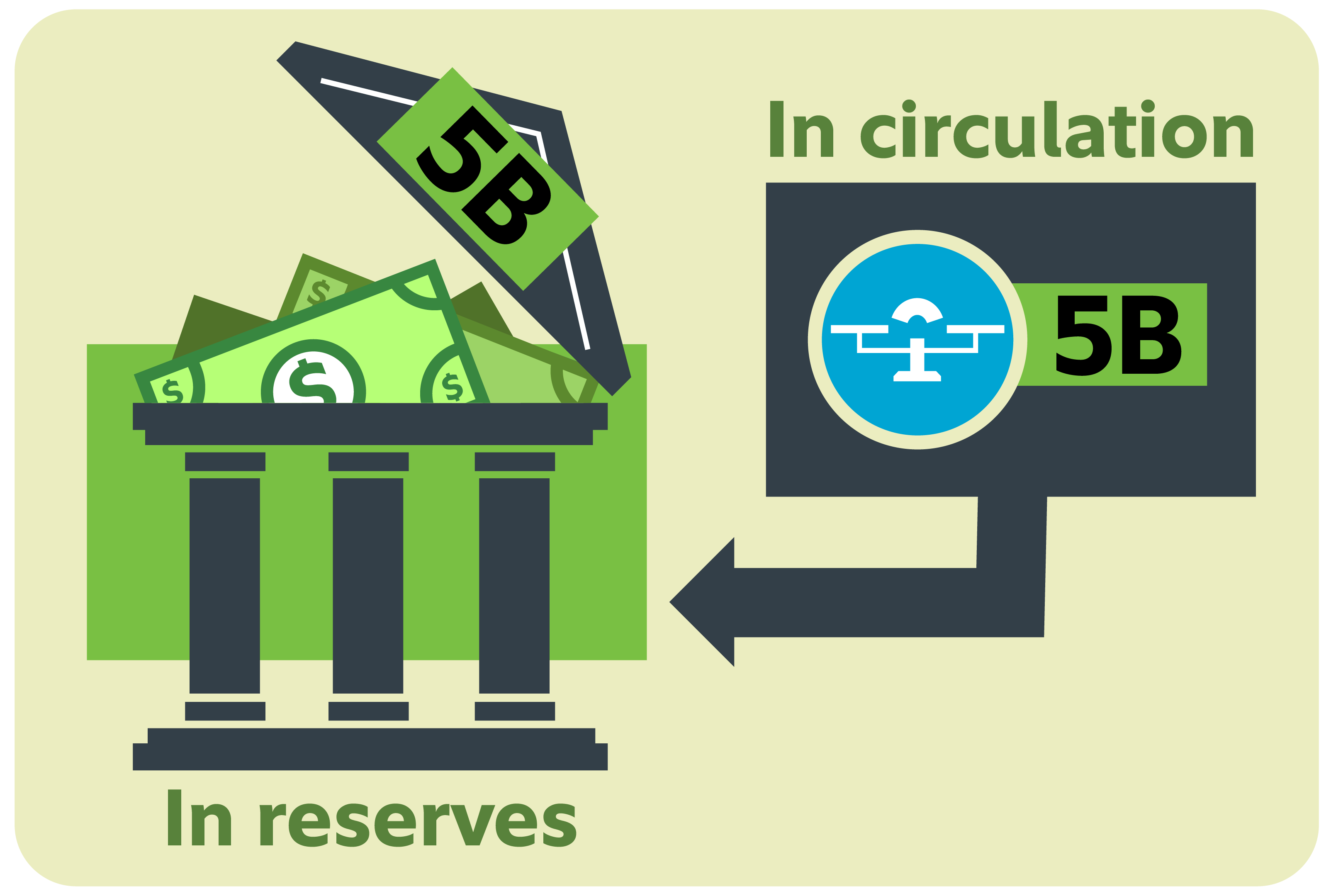
Issuers of stablecoins hold reserves, which is what makes the system work. A stablecoin with $5 billion in circulation, for example, would need to be backed by at least $5 billion in reserves from the issuer. Stablecoins can be backed by reserves in fiat currencies, commodities, or even other cryptocurrencies (depending on what the stablecoin is backed by).

For a stablecoin backed by the US dollar, we can almost compare buying it to buying digital cash. These digital "dollars" allow users to transact on a particular network—the blockchain. Unlike traditional banking systems the blockchain provides a few benefits, like 24/7 access (transactions can happen anytime, even on weekdays or holidays) and transparency (anyone can see the transaction history, though identities are hidden).
While this simple comparison helps to visualize stablecoins, it’s important to note that they are different and have their own risks vs. cash, which we’ll talk about below.
4. What are the potential pros of stablecoins?
The relative price stability of stablecoins versus other crypto can make it more appealing and practical for use in day-to-day transactions.
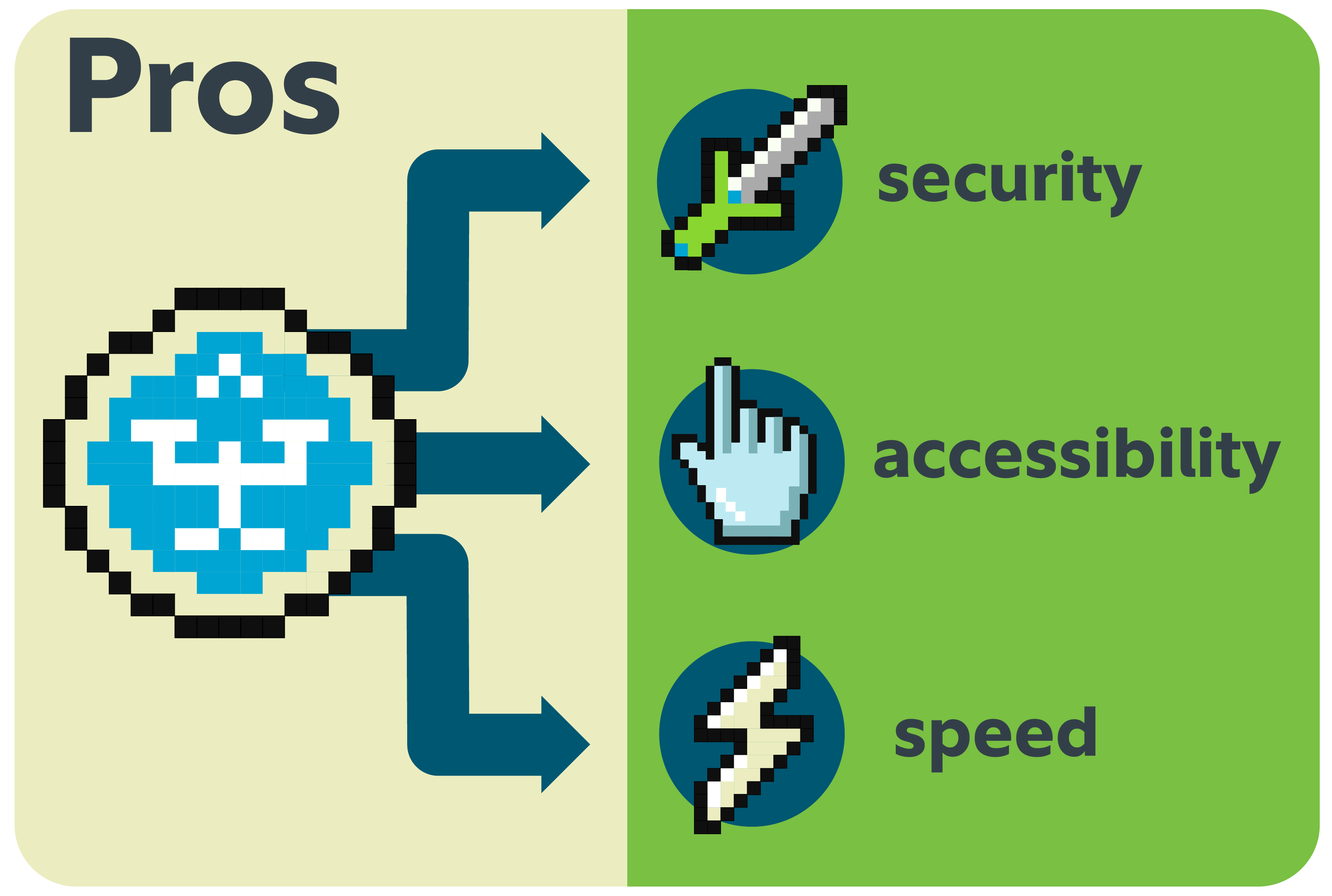
Transactions using stablecoins can also be faster than traditional banking due to blockchain technology discussed above, with 24/7 access. Additionally, crypto supporters believe blockchains provide greater security, accessibility, transparency, and cost efficiency than traditional systems. This technology can make it easier to send cross-border payments as well, and is globally accessible by anyone with internet access and a digital wallet.
In summary, when comparing stablecoins to traditional cash, stablecoins may be appealing due to quicker, low-cost international transactions, near-instant transaction speed, and blockchain security, accessibility, and transparency.
5. What are potential cons of stablecoins?
Just like other types of crypto, stablecoins can be risky. One risk to think about is that they might lose their connection to the value they’re supposed to match (like the US dollar). For example, a stablecoin that’s meant to always be worth $1 could drop below that if people start worrying about the money or assets backing it, or if they lose trust in the company that created it. If the company can’t fix the problem or rebuild trust, people who own the stablecoin might not be able to trade it back for $1.
Also, it’s worth noting that cryptocurrencies pose a risk. Recent regulations may reduce the probability of fraud and malpractice, but they can’t protect a portfolio against negative market sentiment. It’s important to do your research before purchasing, and risks may vary based on the coin. Who the issuer is, and what their capabilities/skillsets are, are important factors to consider.
The bottom line
Stablecoins can offer price stability for crypto users. Nevertheless, like with other investments, make sure you consider your personal investing goals and risk tolerance before purchasing stablecoins. Carefully do your research on the coin you’re considering before you purchase. One general way to lessen the impact of volatility could be to limit your purchases to an amount you’re comfortable with losing.